
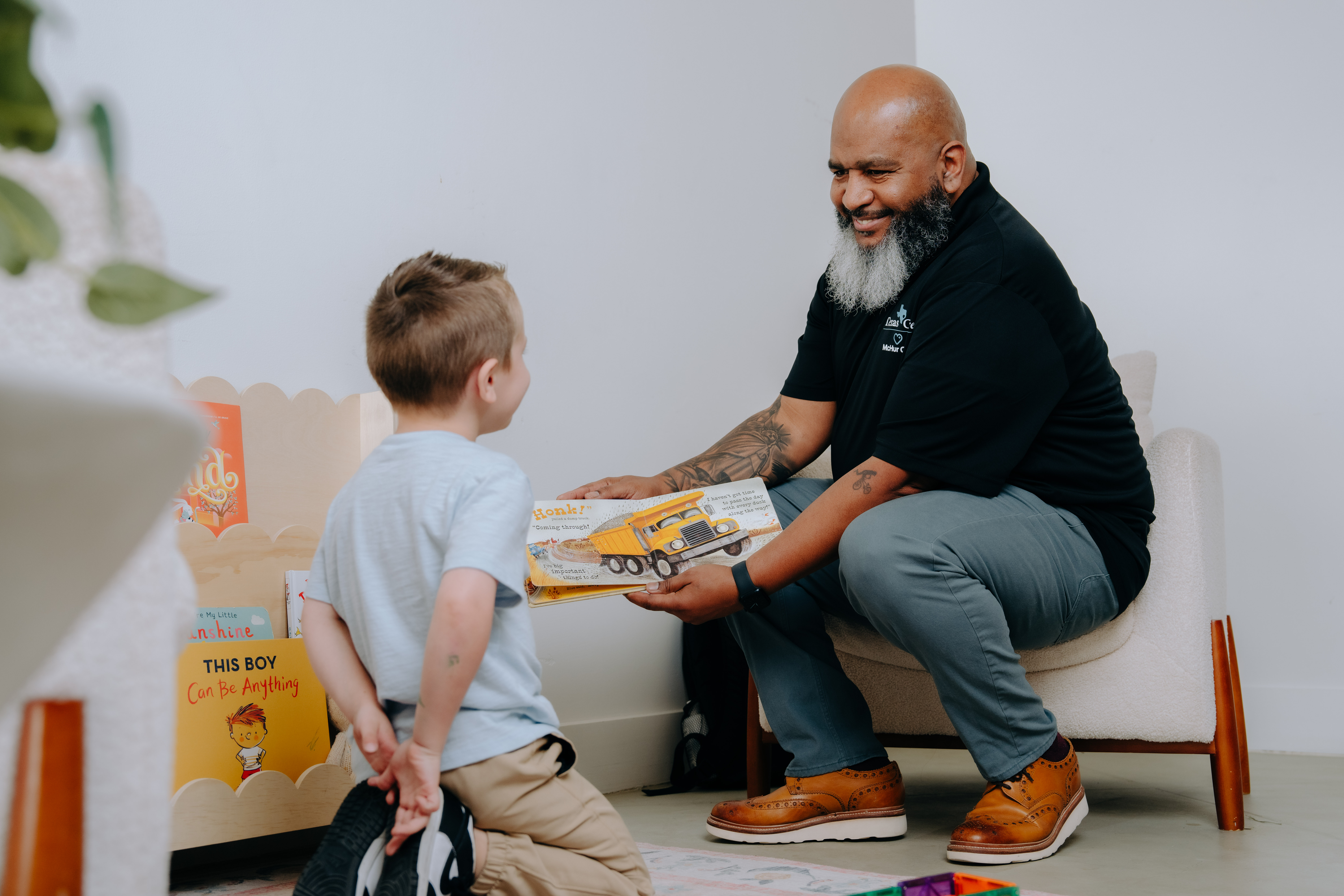
Homework has been sitting on the table for an hour. Your child knows the material — you've seen them answer these questions out loud. But something about sitting down and doing it turns into a battle every single night. Or maybe it's the school calling again, the same concerns, and still no real answers about what to do next.
If you've been searching for help and come across the term "skills training," you might be wondering what it actually means and whether it's the right fit for your family.
 What is skills training for kids?
Skills training is a type of support that teaches children (and adults) practical tools for handling everyday challenges like focus, emotional regulation, anxiety, and behavior.
Instead of analyzing why something is happening, skills training focuses on what to do in the moment and how to do it more effectively next time. It’s hands-on and action-oriented.
At McHur Care, kids learn specific strategies, practice them in real situations, and build confidence through repetition and support.
Think of it like this: If your child struggles to stay calm, follow directions, or manage frustration, skills training gives them step-by-step tools they can actually use — at school, at home, and everywhere in between.
How is skills training different from therapy?
Therapy and skills training are different tools, and some families use both.
Here's what sets skills training apart:
- No diagnosis required. A child doesn't need a formal evaluation or diagnosis to get started. If they're struggling, that's enough of a reason to reach out.
- It's focused on practical strategies, not root causes. Skills training doesn't diagnose conditions or explore why a child developed certain patterns. That's the work of a therapist or psychologist. Skills training focuses on what a child can do differently starting now.
- It's active and hands-on. Sessions aren't talk-heavy. They're built around learning, practicing, and applying.
McHur Care does not provide therapy, conduct diagnostic evaluations, or identify or confirm any condition. What we do is teach. Many families come to skills training because they’re looking for something actionable — something their child can start using right away.
Who is skills training for?
Skills training is for a wider range of kids than most families realize.
It's for the child with an ADHD diagnosis who needs strategies for the classroom. It's also for the child who hasn't been diagnosed with anything but is clearly struggling to stay focused. It's for the kid who has big emotional reactions that seem out of proportion, the one with anxiety that shows up as stomachaches every Monday morning, and the one who's just a little behind and nobody knows quite why.
You don't need to be in crisis. You don't need a diagnosis. If your child is having a hard time and you've been wondering what to do about it, skills training might be exactly what you've been looking for.
What does a skills training session actually look like?
The first session is about getting comfortable.
Before any skill-building begins, the goal is simple: help your child feel safe. The first session is mostly about getting to know each other — talking about your child's interests, strengths, and what's been hard. We explain everything in kid-friendly language, so instead of terms like "emotional regulation," your child might hear something like "understanding our big feelings" or "friend-making skills."
Sessions are built around your child.
Session length and structure depend on your child's age, attention span, and needs. Younger children typically have shorter, more activity-based sessions. Older children usually meet for 45 minutes to an hour. Some kids do well with structure and worksheets. Others respond better to conversation, role-play, or hands-on activities. We meet your child where they are and adjust as we go.
Each session follows a simple rhythm.
Once trust is established, sessions move into focused skill-building. Your child's trainer works through treatment goals in a way that feels manageable and relevant, not clinical. Each session involves:
- Learning a skill
- Practicing it through role-play or real-life situations
- Talking through how to use it at home, at school, or with peers
It's conversational and relationship-based, but your child is still expected to participate, try new things, take feedback, and think about how to apply what they're learning outside of sessions.
The work carries over.
Skills training is designed to extend beyond the session. We collaborate with families and, when relevant, with schools and daycares to make sure the strategies your child is practicing actually show up in daily life. Over time, those skills become habits kids can rely on independently.
Is skills training covered by Medicaid?
For most families, yes. McHur Care accepts Medicaid across all of our locations across Texas. If you've been putting off reaching out because you weren't sure you could afford support, this is worth a second look.
Frequently Asked Questions
Is skills training the same as therapy?
No. Therapy explores the emotional and psychological roots of behavior. Skills training teaches practical strategies for managing everyday challenges. They're different tools, and some families can find both helpful.
Does my child need a diagnosis to start?
No. McHur does not require a diagnosis to begin services. If your child is struggling, that's enough of a reason to reach out.
Is skills training covered by Medicaid?
Yes, for most families. McHur accepts Medicaid at all of our Texas locations. Contact us to confirm coverage for your specific plan.
What happens at the first appointment?
By the time your child meets with their skills trainer, the intake and treatment plan are already in place. The first session is focused on building rapport — getting to know your child, helping them feel comfortable, and beginning to work on their goals in a relaxed, welcoming environment.
How long does it take to see results?
It varies by child, but most families start noticing changes within the first few weeks of consistent sessions. Skills take practice, and the more they're reinforced at home, the faster they tend to stick.See If This Feels Like the Right Fit
If your child is struggling with focus, emotions, or daily routines, you don’t have to wait for things to get worse — and you don’t need a diagnosis to get started.
Skills training is about giving your child tools they can actually use.