
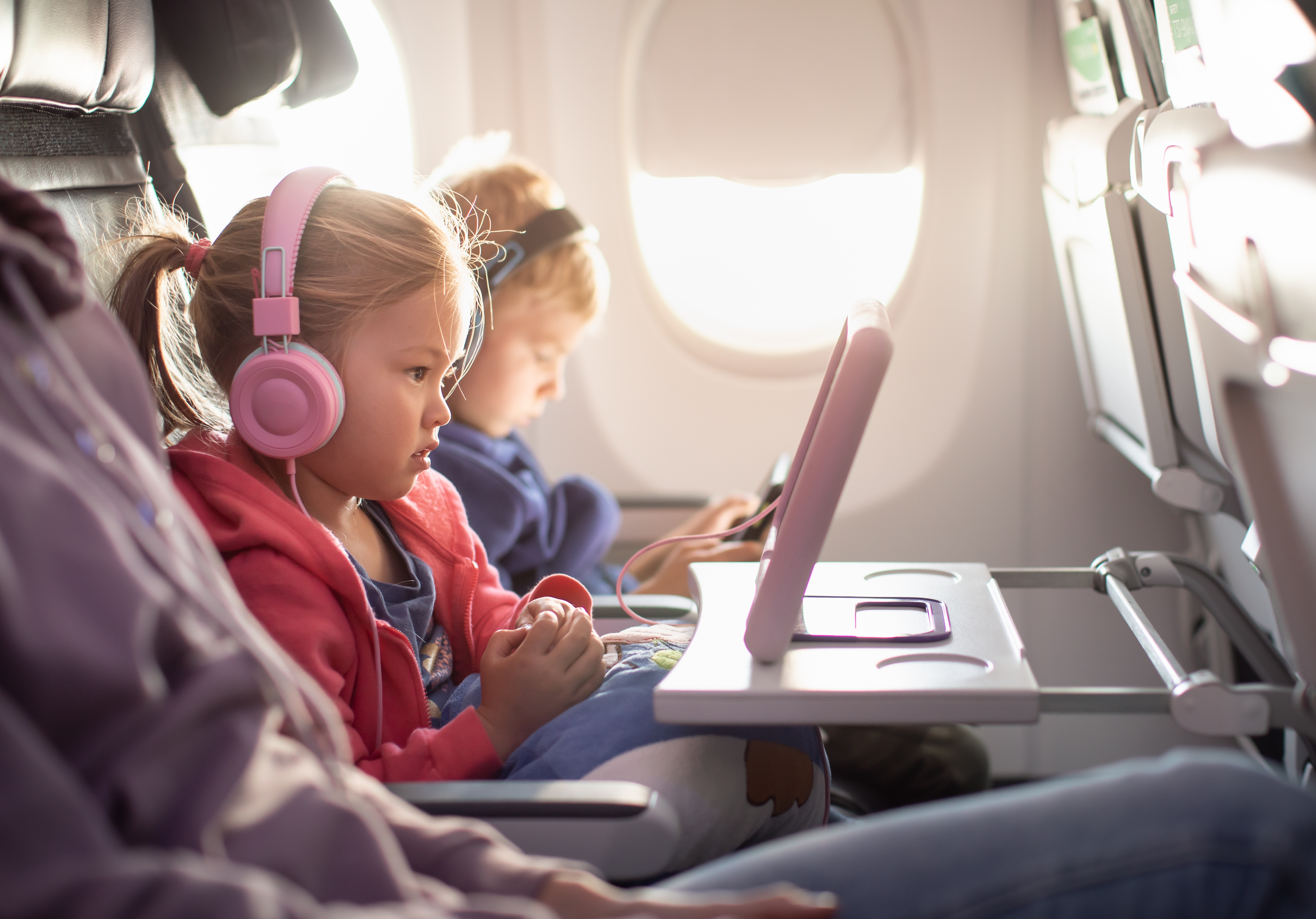
Holiday travel can be exciting, but it can also bring up big emotions for kids and stress for parents. The best way to support your child is to prepare ahead, stay flexible, and create small moments of calm along the way. With a few simple strategies, you can help your child feel safe and supported, while making the journey feel a little less overwhelming for your whole family.
Why is holiday travel so hard for kids?
- Changes in sleep, eating, and daily routines make it harder for kids to stay regulated.
- Long car rides can lead to boredom, restlessness, and building frustration.
- Busy airports can be loud, crowded, and overstimulating.
- New places and unfamiliar people may feel overwhelming or uncomfortable.
- Less sleep than usual can make it harder to cope emotionally.
How can I help my child prepare emotionally for a trip?
- Talk through the plan: Share where you’re going, why you’re going, who you’ll see, and what the destination is like so it doesn’t feel completely new.
- Explain what the day might look like: Walk them through the process—getting to the airport, waiting in lines, the car ride, or taking breaks. Let them know that things like traffic or delays can happen and that it’s okay if plans change.
- Practice transitions: Pack their bag together and rehearse simple steps like leaving the house, getting into the car, or carrying their backpack. These small moments help build confidence.
- Give them choices: Let them pick a snack or toy to bring so they feel involved and in control of something.
- Set expectations gently: Talk about what they can do if they feel overwhelmed, like coming to you for a break so you can step away together.
These strategies can be especially helpful when traveling with anxious children who need extra support.
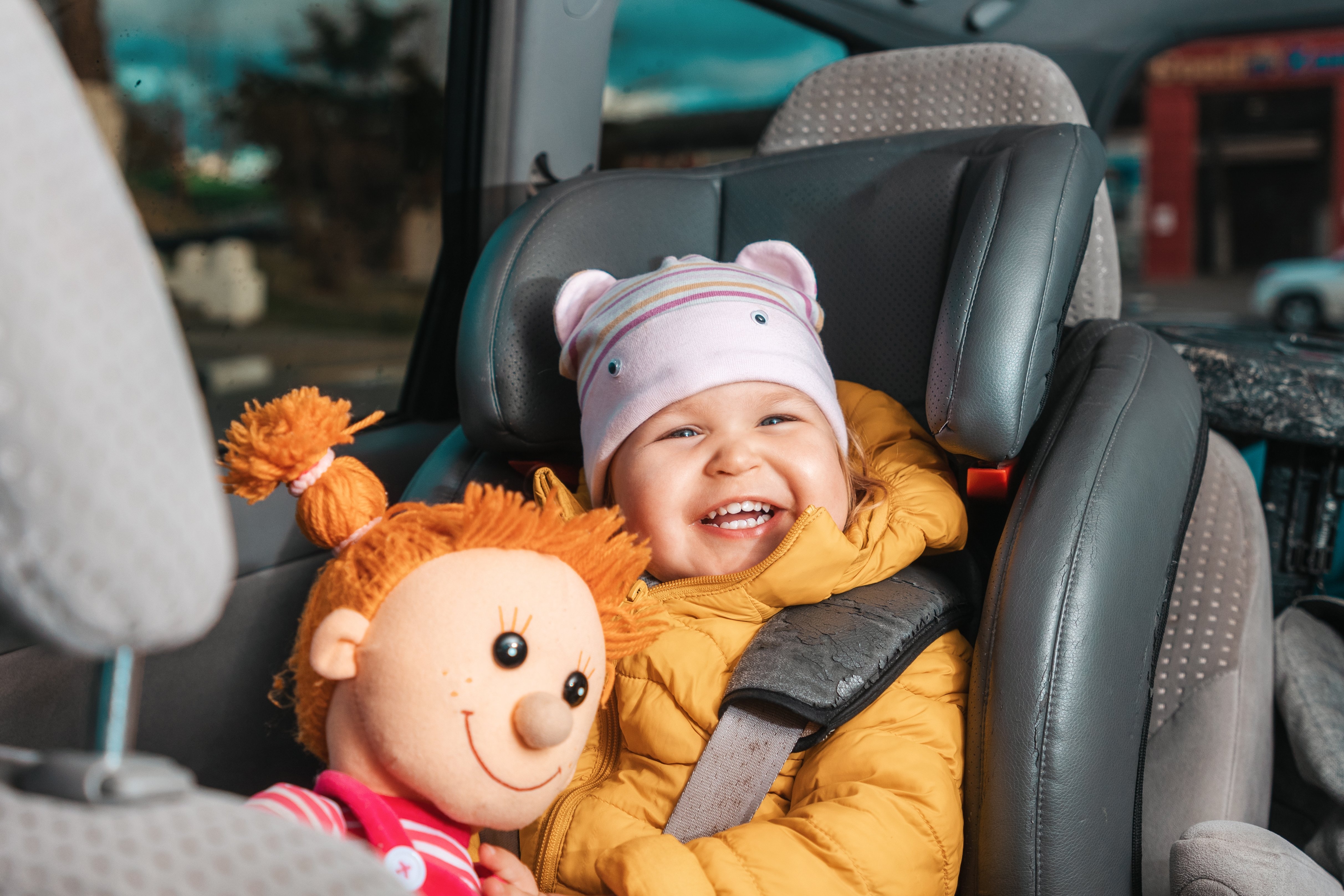
What should I pack to support emotional regulation?
- Noise-canceling headphones
- Fidget or sensory toys
- A comfort item like a stuffed animal or blanket
- Favorite snacks
- Small activities like coloring pages or books
- Backup outfits in case of spills or discomfort
How can I handle meltdowns while traveling?
- Stay calm by speaking in a slow and steady voice.
- If possible, move to a quieter or more private space.
- Validate their feelings with gentle language like, “I understand you’re frustrated right now.”
- Offer a break, like stepping outside, having a snack, or getting some water.
- Avoid yelling, reasoning, or correcting in the moment, since these can intensify their emotions and make it harder for them to settle down.
Once your child is calm again, you can talk about what happened and how to make things easier the next time they feel overwhelmed.

How do I set realistic expectations with family?
- Before gatherings, share your child’s needs with family members so everyone understands what might help the day go more smoothly.
- Let relatives know your child might not be comfortable with hugs or kisses and that it isn’t personal. They’re taking in a new environment and a lot of people at once, and they may need time to warm up.
- Plan a quiet “break space” your child can go to if they start feeling overwhelmed, whether that’s a spare room, a quiet corner, or stepping outside with you.
How can I use emotional check-ins during holiday travel?
- Ask simple questions like:
- “How do you feel today?”
- “Why do you think you feel that way?”
- "What’s one thing that could help you feel better?”
- Use a feelings chart if they need something visual. Our Holiday Feeling Friends coloring sheet helps kids identify emotions and gives you prompts to start the conversation. You can download it here for free.
- Model check-ins by sharing how you feel, why you feel that way, and what you’re doing to stay calm.
Even a quick 30-second check-in during transitions like getting in the car, arriving at the airport, or walking into a family gathering can help your child feel more at ease.

How do I manage my own stress while traveling with kids?
Your child often takes their cues from you. They can sense when you're stressed, so if you're grounded, they're more likely to feel calm as well.
Try:
- Taking deep breaths before big transitions or stressful moments
- Staying flexible and remembering that plans might change—and that’s okay
- Giving yourself extra time for packing, getting to the airport, and other travel-day tasks so you don’t feel rushed
- Tag-teaming with another adult when you need a break
- Reminding yourself that you’re doing your best, even on hard days
Most importantly, remember your well-being matters, too. It’s okay to ask for help, take breaks, and give yourself grace.
You're Not Alone This Season